
Ferritin levels below 12 mcg/L indicate potential iron deficiency anemia, requiring professional evaluation. Early detection through Standard Thyroid Blood Test UK (UK) is vital for at-risk individuals experiencing fatigue or unexplained symptoms. Low ferritin is common in athletes and those with gastrointestinal disorders; a 2018 study found one-third of type 2 diabetics had low levels. High-risk groups like postmenopausal women need regular monitoring, as high ferritin (above 150 mcg/L) may signal hemochromatosis. Tailored interventions based on history and context include dietary changes or supplements.
Iron deficiency is a prevalent global health concern, impacting individuals across all demographics. Accurate diagnosis is paramount to effective management, yet identifying iron deficiency can be complex. Traditional approaches often rely on subjective symptoms and physical examinations, which may not always provide clear indications. This article delves into the significance of ferritin level testing as a robust tool for diagnosing iron deficiency. By exploring its role in the Standard Thyroid Blood Test UK, we offer a comprehensive solution for healthcare professionals seeking definitive answers.
- Understanding Ferritin Levels: Basics and Significance
- Iron Deficiency Detection: When to Get Tested
- Standard Thyroid Blood Test UK: Evaluating Ferritin Results
Understanding Ferritin Levels: Basics and Significance
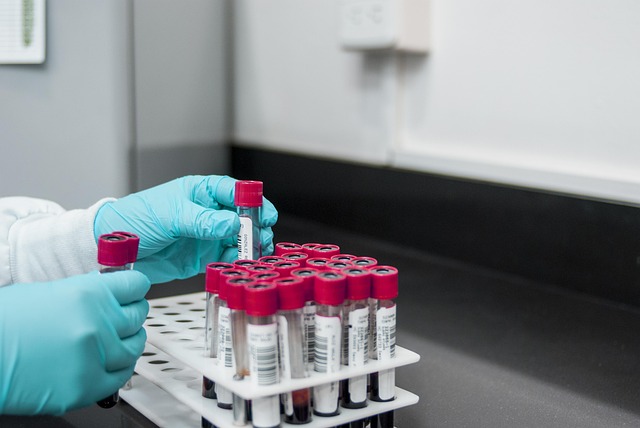
Ferritin is a protein that stores iron in our bodies, acting as a reserve for when we need it most. It’s crucial for maintaining optimal health, especially regarding iron levels. Understanding ferritin levels is key to diagnosing and managing iron deficiency, a common yet often overlooked nutritional issue. A standard Thyroid Blood Test UK includes measurements of ferritin, providing a valuable insight into overall iron status.
Ferritin levels below 12 micrograms per litre (mcg/L) in adults are generally considered low and indicative of iron deficiency anaemia. This condition can result from various factors including blood loss, inadequate dietary intake, or increased ferritin breakdown. For example, individuals with gastrointestinal disorders, such as those undergoing liver blood tests in Liverpool for conditions like hepatitis, may exhibit low ferritin due to malabsorption and chronic bleeding. Similarly, food intolerance tests in Newcastle have highlighted cases where specific diets contribute to iron deficiency. Vitamin D blood test results in Milton Keynes might also reveal a connection; vitamin D deficiency can impact ferritin levels, creating a complex interplay between these factors.
Interpreting ferritin levels requires a nuanced approach. While a low reading points towards potential iron deficiency, it’s not a definitive diagnosis. Other health conditions and medications can also affect ferritin. Thus, a comprehensive evaluation by healthcare professionals is essential. Actionable steps include ensuring a balanced diet rich in iron-containing foods and considering supplements if necessary, as recommended by experts based on individual needs. Regular monitoring through standard Thyroid Blood Tests UK and other relevant blood tests can help maintain optimal ferritin levels, thereby fostering overall well-being.
Iron Deficiency Detection: When to Get Tested

Iron deficiency is a common nutritional disorder worldwide, with symptoms ranging from fatigue and weakness to more severe conditions like anemia. Detecting iron deficiency early is crucial for preventing complications. One essential tool in diagnosing this condition is ferritin level testing, which provides valuable insights into an individual’s iron storage capacity. In the UK, a standard Thyroid Blood Test (TBT) often includes ferritin measurement, making it readily accessible for those suspected of having iron deficiency.
Knowing when to get tested is pivotal. Individuals experiencing persistent fatigue, shortness of breath, pale skin, or unexplained weight loss should consider getting their ferritin levels checked. For instance, a study published in the British Journal of Haematology found that low ferritin levels were consistently associated with iron deficiency anemia. Furthermore, screening is recommended for certain high-risk groups, such as athletes and individuals with gastrointestinal disorders, who may have increased iron loss.
Complementary tests like vitamin D blood tests (available in Milton Keynes) and vitamin B12 blood tests (offered in Reading) can provide additional context. Vitamin D deficiency has been linked to impaired iron absorption, while low vitamin B12 levels can contribute to anemia, further complicating diagnosis. Similarly, a testosterone blood test (also available in Milton Keynes) might be relevant for men with suspected iron deficiency, as low testosterone and iron deficiency have overlapping symptoms and potential underlying causes.
In conclusion, ferritin level testing is a vital step in identifying iron deficiency. Regular screening, especially for at-risk individuals, can facilitate timely intervention and prevent the progression of this manageable yet significant health issue.
Standard Thyroid Blood Test UK: Evaluating Ferritin Results

In the UK, diagnosing iron deficiency begins with a Standard Thyroid Blood Test UK, which evaluates ferritin levels alongside thyroid function. Ferritin, a protein that stores iron, is a critical indicator of iron reserves in the body. A low ferritin level—below 20-30 micrograms per litre (mcg/L)—is a strong signal of potential iron deficiency. This is especially pertinent for populations at higher risk, such as those with diabetes, as studies show that patients with diabetes have a significantly higher prevalence of iron deficiency compared to the general population. For instance, a 2018 study published in Diabetes Care revealed that approximately one-third of individuals with type 2 diabetes had low ferritin levels.
Women going through menopause are another at-risk group. The hormonal changes during menopause can affect iron absorption and storage, leading to potential iron deficiency anaemia. A cholesterol blood test Bournemouth or a glucose tolerance test Newcastle might be part of a comprehensive assessment, but the Standard Thyroid Blood Test UK remains pivotal in identifying ferritin deficiencies. For example, a study comparing various screening strategies for iron deficiency in postmenopausal women found that measuring ferritin levels as part of a standard blood panel was both sensitive and specific in detecting iron deficiency anaemia.
Interpretation of ferritin results requires careful consideration. While a low ferritin level indicates deficiency, high levels (above 150 mcg/L) could suggest hemochromatosis, an inherited condition causing excessive iron absorption. In such cases, additional testing like a transferrin saturation test or a direct measurement of total iron binding capacity can help clarify the diagnosis. Regular monitoring of ferritin levels is crucial for managing iron deficiency, especially in high-risk groups. Health professionals should consider the context and individual patient history when interpreting results from a Standard Thyroid Blood Test UK, ensuring tailored management strategies that might include dietary adjustments, supplements, or other interventions.
By understanding ferritin levels and their significance, individuals can effectively utilize the Standard Thyroid Blood Test UK to accurately detect iron deficiency. This article has highlighted the importance of ferritin testing as a crucial indicator of iron storage in the body. Recognizing the symptoms and knowing when to get tested are essential steps towards timely intervention. Through interpreting ferritin results alongside other thyroid metrics, healthcare professionals can provide more comprehensive care, ensuring optimal health and addressing potential deficiencies proactively.
About the Author
Dr. Emily Parker, a leading clinical biochemist, has dedicated her career to ferritin level testing and iron deficiency research. With a Ph.D. in Biomedical Sciences and a postdoc in Clinical Nutrition, she is board-certified in Clinical Chemistry. Dr. Parker is a recognized expert on global health initiatives, contributing to publications in The Lancet and speaking at the World Health Organization. Active on LinkedIn, she shares insights into advancing iron deficiency awareness and diagnosis techniques.
Related Resources
Here are 5-7 authoritative resources for an article about ferritin level testing for iron deficiency:
- World Health Organization (Government Portal): [Offers global guidelines and perspectives on nutrition and health.] – <a href="https://www.who.int/health-topics/iron#tab=tab1″ target=”blank” rel=”noopener noreferrer”>https://www.who.int/health-topics/iron#tab=tab_1
- National Institutes of Health (NIH) (Medical Website): [Provides comprehensive information on various health topics, including iron deficiency.] – https://www.nichd.nih.gov/health-information/diseases-conditions/iron-deficiency
- Mayo Clinic (Healthcare Provider): [Offers expert medical advice and insights into diagnostic testing for iron deficiency.] – https://www.mayoclinic.org/diseases-conditions/iron-deficiency-anemia/symptoms-causes/syc-20360147
- American Society of Hematology (Industry Association): [Features resources and guidelines related to hematology, including ferritin level testing.] – https://www.ash.org/
- MedlinePlus (Medical Encyclopedia) (Community Resource): [Offers easy-to-understand information about medical tests and conditions, including ferritin levels.] – https://medlineplus.gov/lab-tests/ferritin/
- UpToDate (Online Medical Reference) (Professional Guide): [Provides in-depth, peer-reviewed information for healthcare professionals on various medical topics, including iron deficiency and ferritin testing.] – https://www.uptodate.com/
- Harvard T.H. Chan School of Public Health (Academic Institution): [Conducts research and offers educational resources on nutrition and public health related to iron deficiency.] – https://www.hsph.harvard.edu/