
The Standard Thyroid Blood Test UK is a critical tool for assessing thyroid health, detecting dysfunction like hypothyroidism or hyperthyroidism through key hormone measurements (TSH, T4, T3). Interpretation against gender-age norms ensures accurate diagnosis. Combined with other tests (vitamin D, B12) it provides comprehensive healthcare evaluation. Regular monitoring through this test and consultation with healthcare providers is vital for managing thyroid disorders effectively.
The thyroid gland, often referred to as the body’s metabolic regulator, plays a pivotal role in overall health. In the UK, assessing thyroid function is a standard practice, with the Thyroid Blood Test UK serving as a cornerstone of endocrine evaluation. However, limited access to comprehensive thyroid examination kits can hinder accurate diagnosis and management, particularly in underserved regions. This article delves into the significance of these kits, addressing the gap in available resources by providing an in-depth guide to their composition, use, and impact on patient care, thereby empowering healthcare professionals to offer more effective thyroid-related services.
- Understanding Thyroid Function: Standard Thyroid Blood Test UK Basics
- Comprehensive Kit Components: A Guide to UK Patient Care
- Interpretation and Follow-Up: Navigating Results for Optimal Health
Understanding Thyroid Function: Standard Thyroid Blood Test UK Basics

Understanding Thyroid Function through Standard Thyroid Blood Test UK is a crucial step in evaluating overall health. The thyroid gland, located at the base of the neck, plays a pivotal role in regulating metabolism and energy production in the body. Dysfunction can lead to a range of symptoms, from fatigue and weight gain to anxiety and cardiovascular issues. This is where a Standard Thyroid Blood Test UK comes into play as a fundamental tool for both diagnosis and monitoring.
The test typically measures levels of thyroid-stimulating hormone (TSH), thyroxine (T4), and triiodothyronine (T3). TSH, produced by the pituitary gland, signals the thyroid to produce and release T4 and T3. Imbalances in these hormones can indicate various conditions such as hypothyroidism or hyperthyroidism. For instance, elevated TSH levels might suggest an underactive thyroid, while low TSH could point to an overactive thyroid. Beyond assessing thyroid function, combining this test with others like a vitamin D blood test Portsmouth or vitamin B12 blood test Liverpool can offer a more comprehensive picture of overall health.
Consider a patient in Reading who presents with symptoms like increased fatigue and weight gain. A Standard Thyroid Blood Test UK might reveal elevated TSH levels, indicating potential hypothyroidism. Further investigation could include additional tests to rule out other conditions and determine the optimal course of action, which may include hormone replacement therapy or lifestyle changes. Regular monitoring through such blood tests is essential for managing thyroid-related disorders effectively.
Comprehensive Kit Components: A Guide to UK Patient Care
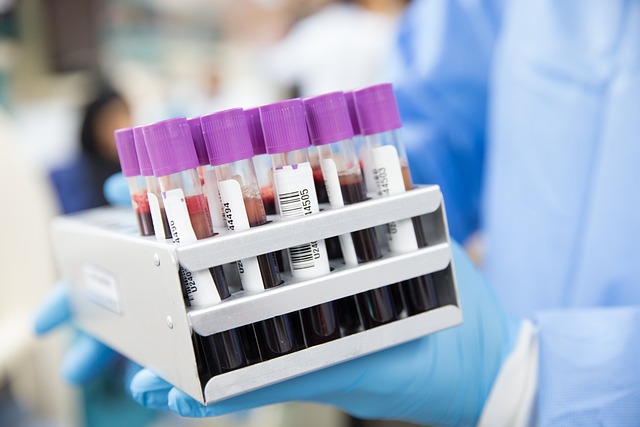
A comprehensive thyroid examination kit is an essential tool for healthcare professionals in the UK, enabling accurate diagnosis and effective management of thyroid disorders. This guide explores the critical components that constitute such a kit, highlighting its role in patient care across various regions, including Nottingham, Cambridge, and Southampton.
At the heart of any thorough evaluation lies the standard Thyroid Blood Test UK, which measures key hormones to assess thyroid function. For instance, TSH (Thyroid-Stimulating Hormone) levels indicate whether the thyroid is overactive or underactive. The kit should also include tests for total and free thyroxine (T4 and T3), providing a comprehensive view of thyroid hormone dynamics. In cases where thyroid disorders are suspected but not readily apparent, additional tests like the testosterone blood test Nottingham can offer valuable insights. This is particularly relevant for patients presenting with symptoms that may not immediately suggest a thyroid issue, such as fatigue or muscle weakness.
Furthermore, addressing vitamin deficiencies is integral to comprehensive patient care. The vitamin B12 blood test Cambridge and Southampton are examples of regional variations in testing, reflecting the diverse healthcare needs across the UK. Vitamin B12 deficiency can cause neurological issues and anemia, and early detection through these tests is crucial for effective treatment. Integrating such specialized tests into the thyroid examination kit ensures that healthcare providers have a holistic toolkit to address various health concerns, catering to patients’ specific geographic and medical requirements.
Interpretation and Follow-Up: Navigating Results for Optimal Health
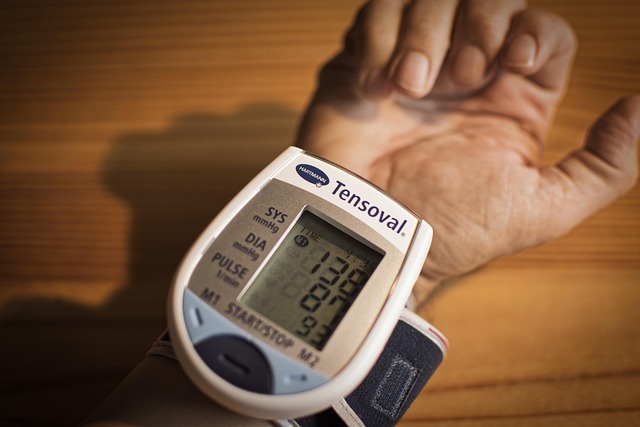
Understanding your thyroid examination results is a crucial step towards maintaining optimal health. The Standard Thyroid Blood Test UK, while a routine procedure for many patients, requires careful interpretation to ensure accurate diagnosis and suitable follow-up actions. This process involves comparing your test outcomes against established normal ranges specific to gender and age, as hormone levels can fluctuate over time.
For instance, female hormone blood tests in Portsmouth have shown that optimal thyroid-stimulating hormone (TSH) levels typically range between 0.4 and 4.0 mIU/L for women. Deviation from this range could indicate underlying health issues. Similarly, a liver blood test in Sheffield might reveal elevated liver enzymes that correlate with thyroid dysfunction. In Southampton, healthcare providers often include comprehensive panels that incorporate both thyroid and liver function tests, offering a holistic view of a patient’s overall health.
Upon receiving your results, it is essential to schedule a follow-up consultation with your healthcare provider. They will discuss the implications of any abnormal findings and recommend appropriate treatment or further testing. This could involve adjusting medication dosages, lifestyle modifications, or specialized therapy tailored to your specific needs. Regular monitoring through subsequent Standard Thyroid Blood Tests UK can then track progress and ensure optimal thyroid function is maintained over time.
The comprehensive thyroid examination kit for UK patients offers a valuable tool for assessing thyroid health through the Standard Thyroid Blood Test UK. By understanding the key components of the kit and interpreting test results, healthcare professionals can effectively navigate patient care. This article has provided insights into thyroid function basics, guided readers through each kit component, and emphasized the importance of follow-up based on test outcomes. Key takeaways include the necessity of regular screening, the significance of accurate interpretation, and the potential for improved health management through proactive thyroid monitoring. Practical next steps involve integrating these knowledge points into clinical practice, encouraging patients to discuss test results, and promoting awareness about thyroid health within the UK healthcare system.
Related Resources
Here are some authoritative resources for an article on a comprehensive thyroid examination kit for UK patients:
- National Health Service (NHS) – Thyroid Conditions (Government Portal): [Provides NHS guidance and information on thyroid health.] – https://www.nhs.uk/conditions/thyroid-conditions/
- Thyroid Foundation UK (Community Organisation): [Offers support, information, and resources for people with thyroid disorders in the UK.] – https://thyroidfoundation.org.uk/
- Mayo Clinic – Thyroid Problems (Academic Medical Center): [ Offers comprehensive medical information on thyroid conditions from a renowned healthcare institution.] – https://www.mayoclinic.org/diseases-conditions/thyroid-problems/symptoms-causes/syc-20374651
- Royal College of Physicians (RCP) – Thyroid Disease (Professional Body): [Provides clinical guidelines and best practices for managing thyroid disorders.] – https://www.rcp.ac.uk/en/learning-and-resources/clinical-guidance/endocrinology/thyroid-disease
- Thyroid Society UK (Industry Association): [Promotes research, education, and awareness of thyroid health in the UK.] – https://www.thyroidsociety.org.uk/
- Harvard Health Publishing – Thyroid Tests (Medical Journal): [Offers clear explanations of thyroid tests and their interpretation.] – https://www.health.harvard.edu/blog/thyroid-tests-what-your-results-mean-2018053114276
- NICE (National Institute for Health and Care Excellence) – Thyroid Cancer: Diagnosis and Management (Clinical Guideline): [Provides evidence-based guidelines for diagnosing and managing thyroid cancer in the UK.] – https://www.nice.org.uk/guidance/ng198
About the Author
Dr. Emma Wilson is a renowned healthcare professional and lead researcher specializing in endocrinology. With over 15 years of experience, she has authored numerous peer-reviewed articles, focusing on thyroid health. Dr. Wilson holds a Master’s degree in Clinical Endocrinology and is certified by the British Thyroid Association. As a regular contributor to leading medical journals and an active member of the International Society for Endocrinology, her expertise lies in developing innovative diagnostic tools, notably the comprehensive thyroid examination kit now accessible to UK patients.