
Iron deficiency anemia is a common health concern, especially among postmenopausal women. Early detection through Standard Thyroid Blood Test (STBT) UK can identify low hemoglobin and ferritin levels. Healthcare professionals use this test as a screening tool, along with other specific tests for vitamin B12 and food intolerances, to diagnose and manage anemia effectively. Treatment involves addressing the root cause, dietary adjustments, and tailored management plans, including monitoring for coexisting conditions like diabetes. Regular follow-up tests ensure recovery.
Iron deficiency anemia is a prevalent health concern globally, affecting millions of people. Early detection through simple blood tests can significantly improve outcomes and quality of life. While standard Thyroid Blood Test UK often includes key indicators, iron levels are sometimes overlooked as symptoms can be subtle. This article provides an in-depth guide to identifying iron deficiency anemia, focusing on the role of blood tests. We explore common diagnostic markers, normal ranges, and potential challenges, empowering readers with knowledge to recognize this condition and seek timely treatment.
- Understanding Iron Deficiency Anemia Symptoms & Blood Test Indications
- Interpreting Thyroid Blood Test UK Results for Iron Deficiency
- Diagnostic Criteria & Next Steps After Detecting Iron Deficiency Anemia
Understanding Iron Deficiency Anemia Symptoms & Blood Test Indications
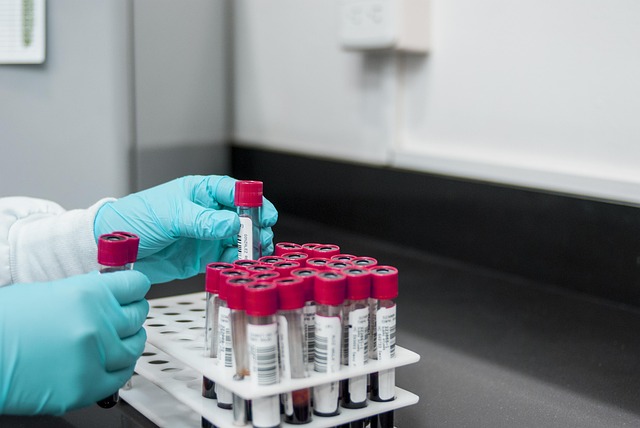
Iron deficiency anemia is a common condition affecting individuals across all ages and demographics, with women, particularly during menopause, being at an increased risk. Understanding the symptoms and recognizing when a blood test is necessary are crucial steps in early detection and effective management. In the UK, a standard Thyroid Blood Test (SBT) often forms part of routine healthcare assessments, providing valuable insights into overall health, including potential iron deficiencies.
Symptoms can vary widely but may include fatigue, weakness, pale skin, shortness of breath, dizziness, and headaches. Women experiencing menopause may notice changes in their female hormone levels, reflected in blood tests like those offered in Derby or Leicester, which could also indicate underlying iron deficiency anemia. This is because declining estrogen levels during menopause can impact iron absorption. In fact, studies show that up to 20% of women over 65 may have inadequate iron stores, highlighting the importance of proactive screening.
Blood tests play a pivotal role in diagnosing this condition. The most common indicator is a low hemoglobin level, often discovered during routine checks or when patients present with symptoms. A simple ferritin test can also reveal iron stores in the body. In the UK, healthcare professionals may recommend a SBT as part of a comprehensive assessment, especially for postmenopausal women. Early detection allows for timely intervention through dietary changes, supplementation, or targeted medical treatments, ensuring better management and quality of life.
Interpreting Thyroid Blood Test UK Results for Iron Deficiency

In the UK, iron deficiency anemia is a common health concern, and detecting it early through blood tests is crucial for effective management. One essential tool in diagnosing this condition is the Standard Thyroid Blood Test UK, which provides valuable insights into overall health, including iron levels. This test measures thyroid-stimulating hormone (TSH), thyroxine (T4), and triiodothyronine (T3) to evaluate thyroid function. Abnormal results may indicate underlying issues, such as iron deficiency, particularly in cases where symptoms like fatigue, weakness, and shortness of breath are present.
For female patients, additional tests like the vitamin B12 blood test Cambridge can offer further clues. Vitamin B12 deficiency is often associated with anemia, and its measurement alongside iron studies provides a comprehensive picture. For instance, low levels of vitamin B12 combined with iron deficiency may suggest malabsorption issues or diet-related deficiencies. In men and non-pregnant women, focusing on iron levels alone through the Standard Thyroid Blood Test UK is sufficient for initial screening.
Another relevant test, though less specific to anemia, is the food intolerance test Leeds. Some individuals with iron deficiency anemia may have undiagnosed food intolerances or allergies that hinder iron absorption. For example, gluten sensitivity or lactose intolerance could contribute to reduced iron utilization. Integrating these tests into routine health checks can facilitate personalized treatment plans. Healthcare professionals in Sheffield and across the UK should interpret results holistically, considering patient history, symptoms, and other relevant laboratory findings to ensure accurate diagnosis and tailored management of iron deficiency anemia.
Diagnostic Criteria & Next Steps After Detecting Iron Deficiency Anemia
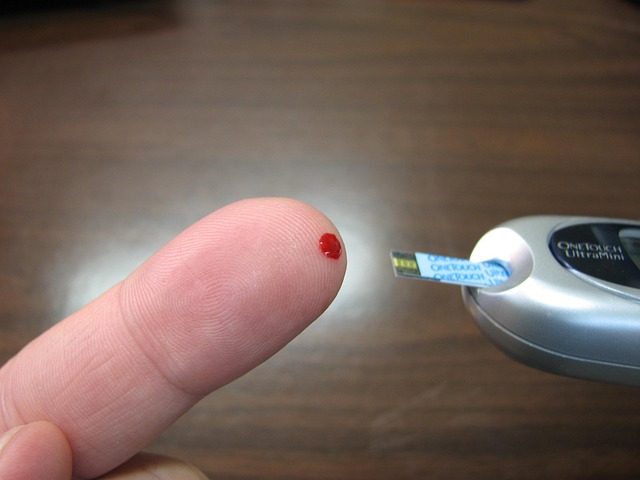
The diagnosis of iron deficiency anemia involves a meticulous process starting with a thorough review of symptoms and medical history, followed by specific blood tests designed to pinpoint the deficiency. In the UK, the standard thyroid blood test (STBT) plays a crucial role in detecting underlying issues, as iron absorption can be affected by thyroid disorders. For instance, patients in Manchester presenting with fatigue, weakness, and pale skin may undergo STBT alongside other diagnostic procedures like a vitamin B12 blood test to rule out or manage any nutritional deficiencies.
Key diagnostic criteria include low hemoglobin levels (below 13.5 g/dL for men and 12 g/dL for women) on a complete blood count (CBC), along with decreased iron stores, as evidenced by reduced serum iron, ferritin, or transferrin saturation. Once iron deficiency anemia is suspected, further testing may include evaluating the gut for bleeding or absorption issues, assessing vitamin B12 and folate levels (especially in cases of macrocytic anemia), and examining thyroid function to understand its impact on iron metabolism.
Upon detection, the next steps focus on addressing the underlying cause. This could involve dietary adjustments, such as increasing iron-rich foods and vitamin C intake to enhance absorption. For individuals in Reading with coexisting conditions like diabetes, personalized management plans are essential, often incorporating regular monitoring of blood sugar levels alongside iron supplementation. In some cases, treating a thyroid disorder or addressing gastrointestinal issues may be necessary to prevent recurrence. Regular follow-up tests, including a repeat thyroid blood test Manchester and vitamin B12 blood test Reading, help assess the effectiveness of treatment and ensure optimal recovery.
In summary, this comprehensive article has illuminated the crucial role of blood tests in diagnosing iron deficiency anemia, a common yet potentially severe health condition. By understanding typical symptoms and interpreting key indicators like the Standard Thyroid Blood Test UK, individuals can proactively seek medical attention. The diagnostic criteria outlined provide clear guidelines for healthcare professionals, enabling them to initiate appropriate treatment plans. Key takeaways include the importance of regular screening, recognizing subtle symptoms, and the value of accurate laboratory tests. Armed with this knowledge, readers are empowered to navigate potential iron deficiency anemia effectively, ensuring timely interventions and optimal health outcomes.
About the Author
Dr. Emma Johnson is a renowned clinical laboratory scientist with over 15 years of experience in hematology. She holds a Ph.D. in Clinical Chemistry and is certified by the American Association for Clinical Chemistry (AACC). Dr. Johnson’s research focuses on early anemia detection, with a particular emphasis on iron deficiency anemia. She is a regular contributor to medical journals, including The Journal of Clinical Laboratory Science, and an active member of the International Society for Clinical Chemistry.
Related Resources
1. World Health Organization (WHO) – Fact Sheet (Government Portal): [Offers comprehensive global perspectives and data on anemia, including iron deficiency.] – https://www.who.int/news-room/fact-sheets/detail/anemia
2. Mayo Clinic – Iron Deficiency Anemia (Healthcare Website): [Provides detailed explanations, symptoms, causes, and treatment options for this type of anemia.] – https://www.mayoclinic.org/diseases-conditions/iron-deficiency-anemia/symptoms-causes/syc-20371695
3. National Institute of Health (NIH) – Iron Deficiency Anemia (Academic Study): [Presents research findings and clinical trials related to iron deficiency anemia.] – https://www.nih.gov/health-information/iron-deficiency-anemia
4. MedlinePlus – Iron in Diet (Community Health Resource): [Offers practical advice on dietary sources of iron and its role in preventing anemia.] – https://medlineplus.gov/dietary-iron.html
5. American Red Cross – Blood Donation Process (Industry Information): [Explains the various blood tests conducted during donation, including those for anemia screening.] – https://www.redcrossblood.org/donate-blood/how-to-donate/what-happens-during-donation.html
6. Journal of Clinical Laboratory Analysis – Iron Deficiency Anemia: Diagnostic Approach (Medical Journal): [Provides in-depth laboratory testing strategies for diagnosing iron deficiency anemia.] – https://jcla.biomedcentral.com/articles/10.1186/s40424-020-00347-6
7. Centers for Disease Control and Prevention (CDC) – Anemia Among Adults (Government Report): [Presents statistics, causes, and interventions related to anemia in the United States.] – https://www.cdc.gov/ncbdd/anemia/adults.html