
Iron deficiency anemia is a common condition, affecting millions globally. Understanding and testing for it is crucial for maintaining overall health. This article explores iron deficiency anemia testing with a focus on blood tests used in the UK. We delve into the standard thyroid blood test, a key tool for diagnosis, helping healthcare professionals interpret results accurately. By understanding these tests, you can navigate the process informedly and take control of your well-being.
- Understanding Iron Deficiency Anemia Testing
- Common Blood Tests for Anemia Diagnosis in the UK
- Interpreting Results: Standard Thyroid Blood Test
Understanding Iron Deficiency Anemia Testing
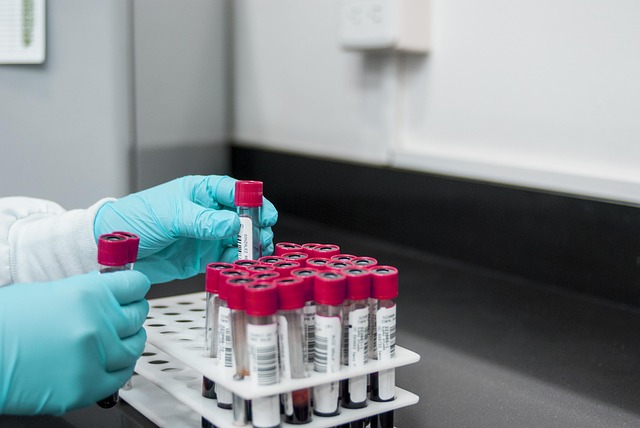
Iron deficiency anemia is a common blood disorder where the body lacks enough healthy red blood cells, often due to iron deficiency. Testing for this condition typically involves a simple blood test that measures the levels of specific components in your blood. One of the most standard and widely used tests in the UK is the Standard Thyroid Blood Test (STBT), which provides valuable insights into your overall health, including potential iron deficiencies.
During an STBT, a healthcare professional will take a sample of your blood to analyze various parameters, such as hemoglobin levels, red blood cell count, and hematocrit. These indicators are crucial in diagnosing anemia and identifying iron deficiency. Hemoglobin is responsible for carrying oxygen throughout the body, and its low levels can suggest that your body isn’t getting enough iron, leading to symptoms like fatigue, weakness, and shortness of breath. By understanding these test results, healthcare providers can offer appropriate treatments, such as dietary changes or iron supplements, to alleviate anemia and improve overall well-being.
Common Blood Tests for Anemia Diagnosis in the UK
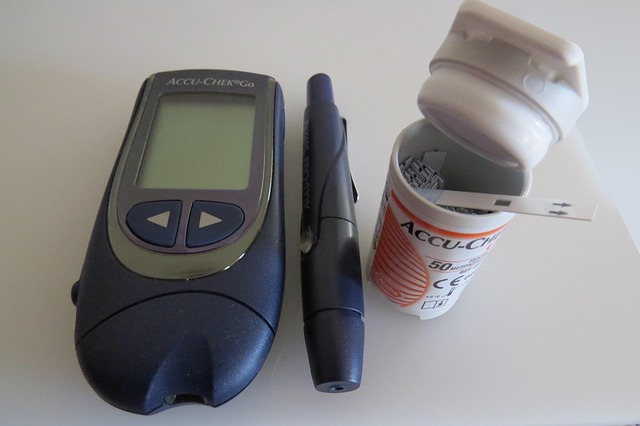
In the UK, several blood tests are commonly used to diagnose anemia, with one of the key indicators being the Standard Thyroid Blood Test. This test measures levels of specific hormones and proteins related to thyroid function, as thyroid issues can often contribute to anemia. By evaluating parameters such as TSH (Thyroid Stimulating Hormone), T3, and T4, healthcare professionals can identify potential underlying causes of anemia, including hypothyroidism or hyperthyroidism.
Additionally, the complete blood count (CBC) is another crucial test in diagnosing anemia. This involves analyzing different components of your blood, such as red blood cells (RBCs), white blood cells (WBCs), and platelets. A CBC can reveal low levels of hemoglobin or red blood cells, which are strong indicators of iron deficiency anemia, one of the most common types of anemia in the UK.
Interpreting Results: Standard Thyroid Blood Test
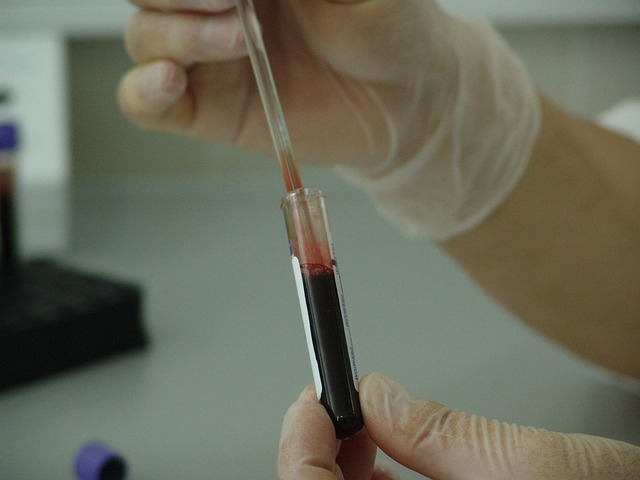
When it comes to interpreting results from a standard thyroid blood test in the UK, understanding the values is crucial for accurate diagnosis. This test measures the levels of thyroid hormones (T3 and T4) and thyroglobulin (Tg), which are essential for evaluating thyroid function. A normal range for T3 and T4 typically falls between 0.8 to 2.0 micrograms per deciliter (mcg/dL) and 55 to 130 nanogram per deciliter (ng/dL), respectively. Thyroglobulin levels usually range from 1 to 4 microgram per milliliter (mcg/mL).
If your results fall outside these ranges, it may indicate an underlying thyroid condition. For instance, low T3 and T4 levels can suggest hypothyroidism, while high levels might point to hyperthyroidism. Thyroglobulin levels above the upper range could be a sign of goiter or thyroid cancer. Medical professionals will consider various factors, including symptoms and medical history, alongside these test results to make an informed diagnosis and recommend appropriate treatment for conditions such as Iron deficiency anemia or thyroid disorders.
Iron deficiency anemia is a common yet treatable condition, and blood tests play a vital role in its diagnosis. In the UK, healthcare professionals often rely on standard thyroid blood tests to assess iron levels and identify anemia. By understanding these tests and interpreting results accurately, folks can promptly address any deficiencies and enhance their overall well-being.