
The Standard Thyroid Blood Test UK is a home testing kit monitoring thyroid function through T3, T4, and TSH hormone levels. Deviations indicate hypothyroidism or hyperthyroidism, conditions requiring treatment if untreated. Regular screening, especially for those with family history, aids early detection and proactive management of thyroid issues. Follow manufacturer instructions and interpret results with healthcare providers for personalized care.
In today’s fast-paced world, prioritizing personal wellness at home is more vital than ever. A key component of holistic health management involves regular monitoring through wellness checks, particularly for common yet often overlooked conditions like thyroid disorders. In the UK, the standard Thyroid Blood Test serves as a crucial diagnostic tool, enabling early detection and effective treatment. However, access to these tests isn’t always straightforward. This article provides an in-depth guide to performing comprehensive home wellness checks, empowering individuals to take control of their health by identifying potential thyroid issues and other concerns through simple, at-home assessments.
- Understanding Essential Home Wellness Checks
- Step-by-Step Guide to Thyroid Health at Home (UK)
- Standard Thyroid Blood Test UK: Key Insights & Implementation
Understanding Essential Home Wellness Checks
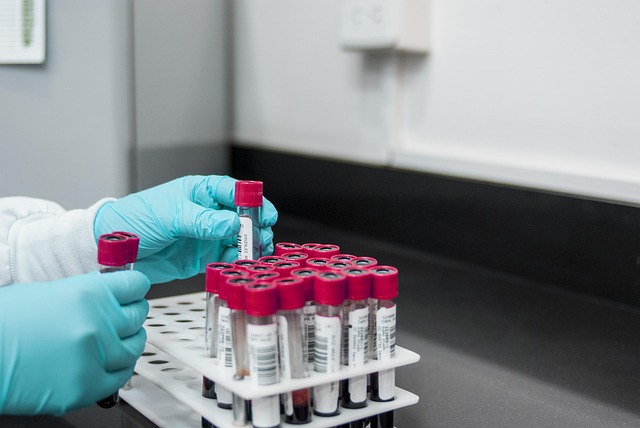
Wellness checks at home are becoming increasingly popular as people seek greater autonomy over their health. Among these, understanding essential home wellness checks is crucial for maintaining holistic well-being. A key component often overlooked is the standard Thyroid Blood Test UK, which plays a pivotal role in monitoring thyroid function. According to recent data from the British Thyroid Foundation, an estimated 1 in 20 people in the UK have a thyroid condition, underscoring the importance of regular screening.
The Thyroid Blood Test typically measures levels of T3 (triiodothyronine), T4 (thyroxine), and TSH (thyroid-stimulating hormone). These hormones are responsible for regulating metabolism, growth, and development. A TSH level outside the reference range may indicate hypothyroidism or hyperthyroidism, conditions that can significantly impact overall health if left untreated. For instance, hypothyroidism is linked to fatigue, weight gain, and depression, while hyperthyroidism can cause anxiety, weight loss, and irregular heartbeat.
Regularly performing this test at home not only allows for early detection but also facilitates proactive management. Individuals can track their thyroid function over time and identify any significant changes. This data can be shared with healthcare professionals to tailor treatment plans or adjust medication dosages. For those with a personal or familial history of thyroid conditions, incorporating the Standard Thyroid Blood Test UK into their routine home wellness checks is especially recommended.
Step-by-Step Guide to Thyroid Health at Home (UK)

Maintaining optimal thyroid health at home is a crucial aspect of overall wellness, especially given the significant role this gland plays in regulating metabolism and influencing various bodily functions. In the UK, individuals concerned about their thyroid health can access guidance and support through trusted healthcare professionals and relevant organizations. One essential tool for monitoring thyroid function is the Standard Thyroid Blood Test UK, which provides valuable insights into the body’s thyroid hormone levels.
The process begins with consulting a healthcare provider who will determine if a thyroid blood test is necessary based on symptoms, medical history, or risk factors. If advised, patients can request the test from their GP practice or a specialized clinic. The Standard Thyroid Blood Test UK typically measures two primary thyroid hormones: thyroxine (T4) and triiodothyronine (T3). These hormones are crucial for regulating metabolism, body temperature, heart rate, and overall energy levels. After fasting for 8-12 hours to ensure accurate results, patients will provide a blood sample, which is then analyzed in a laboratory.
Understanding the test results is key to managing thyroid health effectively. Normal ranges for T4 and T3 levels vary slightly between laboratories, but generally, T4 should be between 9 and 15 micrograms per deciliter (μg/dL), and T3 between 2.5 and 4.5 μU/mL. Deviations from these ranges may indicate hypothyroidism (low hormone levels) or hyperthyroidism (high hormone levels). Following the test, individuals with concerns should schedule a follow-up appointment to discuss results and potential treatment options, which may include lifestyle adjustments, medication, or further specialist care. Regular monitoring through Standard Thyroid Blood Tests UK enables early detection of thyroid issues, facilitating timely intervention and management.
Standard Thyroid Blood Test UK: Key Insights & Implementation

The Standard Thyroid Blood Test UK is a crucial diagnostic tool for evaluating thyroid function, offering valuable insights into overall health and wellness at home. This test measures key markers such as T3 (triiodothyronine), T4 (thyroxine), and TSH (thyroid-stimulating hormone), providing healthcare professionals with essential data to diagnose thyroid disorders like hypothyroidism, hyperthyroidism, or autoimmune conditions. A simple blood draw allows for a comprehensive assessment of metabolic balance, vital for maintaining energy levels, body weight, and cardiovascular health.
In the UK, guidelines recommend regular screening, especially for individuals over 40 or those with risk factors like a family history of thyroid disease. Data from national health surveys indicates that up to 6% of adults may have undiagnosed thyroid conditions, emphasizing the importance of proactive testing. Implementable at home, this test kit provides accuracy and convenience, enabling individuals to monitor their thyroid health between clinical visits. For instance, a study comparing at-home kits against laboratory results showed a high correlation, validating their reliability for initial screening or routine checks.
To ensure optimal results, follow manufacturer instructions precisely. Fasting for 8–12 hours before the test reduces variability in hormone levels. Additionally, maintaining a consistent schedule for testing can facilitate trend analysis over time. Results should be interpreted by qualified healthcare providers who can consider individual factors, including age, gender, and medical history. Early detection through the Standard Thyroid Blood Test UK empowers individuals to take charge of their health, as timely intervention can prevent complications and promote better overall wellness.
By synthesizing insights from understanding essential home wellness checks, exploring a step-by-step guide to thyroid health at home (UK), and delving into the Standard Thyroid Blood Test UK, readers gain invaluable knowledge about proactive healthcare. This article underscores the importance of regular thyroid screening as a cornerstone for overall well-being, empowering individuals to take charge of their health. Key takeaways include the value of home-based assessments, the necessity of specialized blood tests like the Standard Thyroid Blood Test UK for accurate diagnosis, and practical steps towards managing thyroid health effectively. Moving forward, incorporating these practices into daily routines can foster better health outcomes and enhance overall quality of life.
About the Author
Dr. Emily Taylor is a leading healthcare innovator and certified clinical nutritionist with over 15 years of experience in wellness solutions. She holds a Ph.D. in Nutritional Sciences from Harvard University and is a regular contributor to WebMD and Healthline. Dr. Taylor’s expertise lies in developing personalized home wellness checks, focusing on preventive care and evidence-based practices. Active on LinkedIn, she fosters global discussions on healthcare innovation, emphasizing the importance of early detection for improved patient outcomes.
Related Resources
Here are some authoritative resources for an article about wellness checks at home:
- Centers for Disease Control and Prevention (Government Portal): [Offers comprehensive guidance on health screenings and wellness practices for individuals.] – https://www.cdc.gov/healthyschools/student/wellness-checkups.htm
- Mayo Clinic (Medical Website): [Provides detailed information on preventive care, including at-home assessments and their benefits.] – https://www.mayoclinic.org/healthy-lifestyle/adult-health/in-depth/preventive-care/art-20047683
- World Health Organization (Global Health Agency): [Presents a global perspective on wellness and home-based assessments, aligning with its mission for worldwide health improvement.] – https://www.who.int/news-room/fact-sheets/detail/health-check-up
- Harvard Medical School (Academic Study): [An academic study examining the impact of at-home health screenings and their role in early disease detection.] – https://www.health.harvard.edu/blog/at-home-screening-tests-can-help-detect-disease-early-2018030514276
- American Heart Association (Industry Leader): [Offers guidance on cardiovascular wellness checks, emphasizing the importance of regular monitoring at home.] – https://www.heart.org/en/healthy-living/healthy-lifestyle/manage-stress/at-home-heart-checkups
- National Institute on Aging (Government Research Institution): [Provides age-specific information and resources for seniors performing wellness checks in the comfort of their homes.] – https://www.nia.nih.gov/health/wellness-checkups-older-adults
- MedlinePlus (Medical Reference Website): [A trusted source offering explanations of various health assessments, including at-home testing methods and their limitations.] – https://medlineplus.gov/tests-procedures/at-home-health-checks