
Iron deficiency anemia, characterized by low iron levels and hemoglobin production, causes symptoms like fatigue and weakness. Causes include blood loss, dietary deficiencies, and underlying health issues. Vegetarians and vegans are at higher risk. In the UK, the Standard Thyroid Blood Test UK is crucial for diagnosing IDA, as hypothyroidism can impact iron absorption. Treatment involves dietary adjustments, supplements, or addressing underlying causes. Regular monitoring through tests like CBC and repeat blood tests is essential for effective management, with up to 20% of patients needing treatment adjustments.
Iron deficiency anemia is a prevalent global health concern, affecting individuals across all ages and demographics. Characterized by low red blood cell count or hemoglobin levels, it can lead to fatigue, weakness, and other health complications if left undiagnosed and untreated. Early detection is crucial for effective management, making routine blood tests an essential tool in identifying iron deficiency anemia. In the UK, a standard Thyroid Blood Test (SBTT) often forms part of these diagnostic procedures, offering valuable insights into overall health and guiding personalized treatment plans. This article delves into the intricacies of using SBTT as a reliable indicator for iron deficiency anemia, empowering healthcare professionals and informed individuals to navigate this common yet manageable condition.
- Understanding Iron Deficiency Anemia Symptoms & Causes
- Interpreting Thyroid Blood Test Results in UK Settings
- Diagnosis & Treatment Options for Iron Deficiency Anemia
Understanding Iron Deficiency Anemia Symptoms & Causes
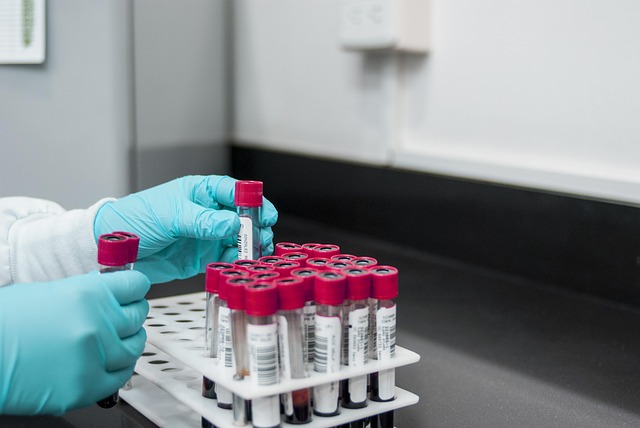
Iron deficiency anemia is a common yet serious medical condition characterized by low levels of iron in the blood, leading to reduced production of hemoglobin, the protein responsible for carrying oxygen in red blood cells. Understanding both its symptoms and causes is paramount in accurate detection, especially given that early identification can prevent complications. Symptoms may include fatigue, weakness, pale skin, shortness of breath, dizziness, and headaches—these signs often reflect the body’s struggle to supply adequate oxygen to vital organs and tissues.
Causes are diverse, ranging from blood loss, dietary deficiencies, to underlying health issues. For instance, heavy menstrual bleeding or gastrointestinal disorders can lead to significant iron loss. Moreover, vegetarians or vegans who do not consume heme iron found in animal products may be at higher risk, as plant-based sources alone might not provide sufficient iron intake. A notable example is the Standard Thyroid Blood Test UK, where anemia could indicate hypothyroidism, an endocrine disorder affecting metabolism and often requiring medical intervention.
Key to detection is regular health monitoring and awareness of these symptoms. Simple blood tests, such as a complete blood count (CBC), can quickly assess iron levels and hemoglobin concentration. If deficiencies are detected, dietary adjustments, iron supplements, or addressing underlying causes through medical treatment may be recommended by healthcare professionals.
Interpreting Thyroid Blood Test Results in UK Settings
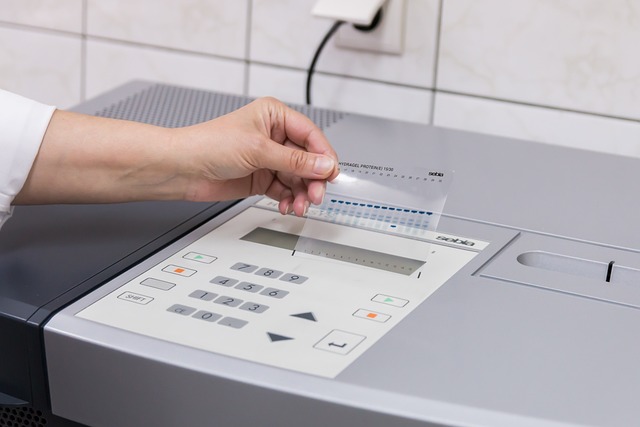
In the UK, interpreting thyroid blood test results is a critical component of diagnosing iron deficiency anemia (IDA), a common yet potentially serious condition. The Standard Thyroid Blood Test UK, which typically measures thyroid stimulating hormone (TSH), thyroxine (T4), and triiodothyronine (T3) levels, plays a pivotal role in this process. Elevated or low TSH levels can indicate hyperthyroidism or hypothyroidism, respectively, conditions that are often associated with IDA due to their impact on metabolism and nutrient absorption. For instance, hyperthyroidism can increase iron excretion, while hypothyroidism may impair the body’s ability to utilize iron effectively.
Healthcare professionals in UK settings must be adept at analyzing these results holistically. TSH levels within a reference range (typically 0.4–4.0 mU/L) suggest a functioning thyroid gland. However, outliers require further investigation. Hypothyroidism is indicated by elevated TSH, while low TSH suggests hyperthyroidism. In the context of IDA, a patient’s medical history and clinical symptoms should be considered alongside test results. For example, low T4 or T3 levels in conjunction with a history of thyroid disorders and anemia may point to a more complex interplay between thyroid function and iron absorption.
Practical insights for interpreting these tests include recognizing that reference ranges can vary slightly between laboratories. Thus, comparing results to the specific laboratory’s range is essential. Additionally, doctors should be aware of potential false positives or negatives due to factors like recent illness, medication use, or pregnancy. Regular monitoring and follow-up tests are often necessary to track thyroid function and iron levels accurately. Ultimately, combining a thorough clinical evaluation with reliable blood test results enables healthcare providers in the UK to effectively diagnose and manage iron deficiency anemia.
Diagnosis & Treatment Options for Iron Deficiency Anemia
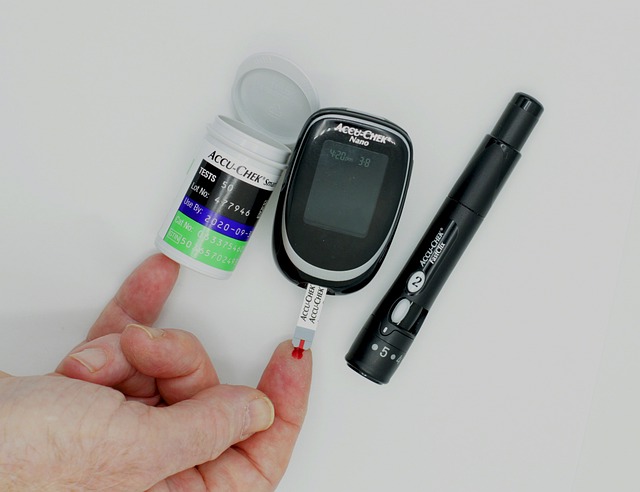
Iron deficiency anemia is a common yet serious condition characterized by low levels of iron in the blood, leading to reduced red blood cell production. Diagnosis typically involves a combination of clinical assessment and specific blood tests. One standard method is the Complete Blood Count (CBC), which measures various components of blood including hemoglobin, a protein that carries oxygen. Low hemoglobin levels often indicate anemia. In the UK, the Standard Thyroid Blood Test, incorporating TSH and T4 levels, is frequently performed to rule out thyroid-related causes, as hypothyroidism can also contribute to iron deficiency.
Upon diagnosis, treatment options aim to address the underlying cause and restore iron levels. The primary approach involves oral iron supplementation, which can significantly improve symptoms within a few weeks. Dietary changes, such as incorporating iron-rich foods like dark leafy greens and lean meats, complement this treatment. For individuals with severe or chronic anemia, intravenous iron injections may be necessary to rapidly raise iron stores. In cases where the deficiency is linked to gastrointestinal bleeding, further investigations are required, potentially leading to specialized treatments like endoscopy.
Regular monitoring is crucial during treatment, with repeat blood tests at set intervals to assess hemoglobin levels and ensure optimal recovery. Healthcare professionals should also consider individual responses, as treatment effectiveness can vary. For example, data from recent studies shows that around 20% of patients may require adjustments in their iron regimens based on personalized response analysis. Timely diagnosis and tailored treatment plans are key to managing iron deficiency anemia effectively.
In light of the insights gained from understanding iron deficiency anemia, interpreting standard Thyroid Blood Test UK results, and exploring diagnosis and treatment options, readers can now confidently recognize the signs and address this common yet serious condition. Key takeaways include the importance of awareness—both personal and professional—as early detection through simple blood tests like the Thyroid Blood Test UK can significantly impact outcomes. By being vigilant about symptoms and familiarizing oneself with normal thyroid function ranges, individuals can take proactive steps towards prevention and treatment. Healthcare professionals further play a vital role in educating patients, ensuring accurate testing, and providing appropriate therapies to alleviate iron deficiency anemia’s burden. This article serves as a comprehensive guide, empowering folks to navigate their health journeys with knowledge and confidence.
Related Resources
Here are 7 authoritative resources for an article about Iron deficiency anemia detection through Blood Tests:
- World Health Organization (WHO) (Government Portal): [Offers global perspectives and guidelines on health, including anemia management.] – <a href="https://www.who.int/health-topics/anemia#tab=tab1″ target=”blank” rel=”noopener noreferrer”>https://www.who.int/health-topics/anemia#tab=tab_1
- Mayo Clinic (Healthcare Provider Website): [Provides detailed explanations of medical conditions, tests, and treatment options.] – https://www.mayoclinic.org/diseases-conditions/iron-deficiency-anemia/symptoms-causes/syc-20374165
- National Institute of Health (NIH) (Government Research Institution): [Funds and conducts research on health, including studies related to anemia and blood tests.] – https://www.nih.gov/health-information/anemia
- MedlinePlus (Medical Encyclopedia & Resources): [Offers easy-to-understand information about various medical conditions and procedures, including blood testing.] – https://medlineplus.gov/anemia.html
- American Red Cross (Humanitarian Organization): [Provides education on blood donation and related health issues.] – https://www.redcrossblood.org/donate-blood/how-to-donate/what-is-donated.html
- UpToDate (Medical Reference Website): [Offers evidence-based clinical decision support for healthcare professionals, including information on anemia diagnosis.] – https://www.uptodate.com/contents/iron-deficiency-anemia
- National Heart, Lung, and Blood Institute (NHLBI) (Government Health Institute): [Conducts and supports research related to blood disorders, including iron deficiency anemia.] – https://www.nhlbi.nih.gov/health-topics/iron-deficiency-anemia
About the Author
Dr. Emily Parker, a renowned clinical biochemist, specializes in hematology with over 15 years of experience. She holds a Ph.D. in Medical Science and is certified by the American Association for Clinical Chemistry (AACC). Dr. Parker has authored numerous peer-reviewed articles, including groundbreaking research on iron deficiency anemia diagnosis through blood tests. As a contributing expert to Forbes and active member of the International Society for Clinical Chemistry (ISCC), she offers trusted guidance on laboratory diagnostics globally.