
Testosterone levels, vital for men’s health, are influenced by stress, diet, and fitness. The Standard Thyroid Blood Test UK includes total testosterone measurements, aiding in reproductive health assessment. Elevated or low levels may signal health issues like liver disease or Androgen Deficiency Syndrome (ADS). Early intervention for hormonal imbalances can improve energy, libido, muscle mass, and bone density. Regular monitoring via the Standard Thyroid Blood Test UK is crucial for thyroid disorder diagnosis and cardiovascular risk management in men.
Male health issues often stem from hormonal imbalances, with testosterone playing a pivotal role. Testing testosterone levels is crucial for accurate diagnosis and effective treatment. However, navigating this process can be confusing, especially in the UK where standard thyroid blood tests are commonly used. This article provides an authoritative guide to testosterone level testing, offering insights into its importance, common challenges, and how to interpret results from a Standard Thyroid Blood Test UK perspective. By the end, readers will gain valuable knowledge to make informed decisions regarding their health.
- Understanding Testosterone Levels: Basics and Normal Ranges
- Indications for Testing: When to Consider Assessment
- Standard Thyroid Blood Test UK: Interpret Results for Comprehensive Male Health Evaluation
Understanding Testosterone Levels: Basics and Normal Ranges

Testosterone levels play a pivotal role in men’s overall health and well-being, impacting various physiological processes including muscle mass, bone density, fat distribution, libido, and energy levels. Understanding normal testosterone ranges is crucial for early detection and management of potential health issues. The standard reference range for total testosterone in adult men typically falls between 270-1070 nanograms per deciliter (ng/dL) or 9.4-36.8 nanomoles per liter (nmol/L). However, these values can vary slightly based on age and laboratory standards.
Interpretation of testosterone levels requires a nuanced approach. While low testosterone (hypogonadism) is often associated with conditions like Klinefelter syndrome or treatment side effects, elevated levels may point to issues such as liver disease, kidney failure, or tumors. In healthy men, fluctuations in testosterone are natural, with peaks occurring upon waking and during exercise. Moreover, individual variability exists, with factors like stress, diet, and fitness influencing hormone levels. In the UK, Standard Thyroid Blood Tests (STBT) often include measurements of total testosterone as part of a comprehensive panel, aiding in the assessment of male reproductive health.
Actionable advice for men concerned about their testosterone levels includes maintaining a balanced diet rich in zinc, vitamin D, and healthy fats, engaging in regular physical activity, and managing stress effectively. However, if symptoms persist or concerns arise, consulting with a healthcare professional is paramount. They can interpret test results within the individual’s specific context, recommend further assessments if needed, and provide appropriate treatment options if testosterone imbalances are confirmed.
Indications for Testing: When to Consider Assessment
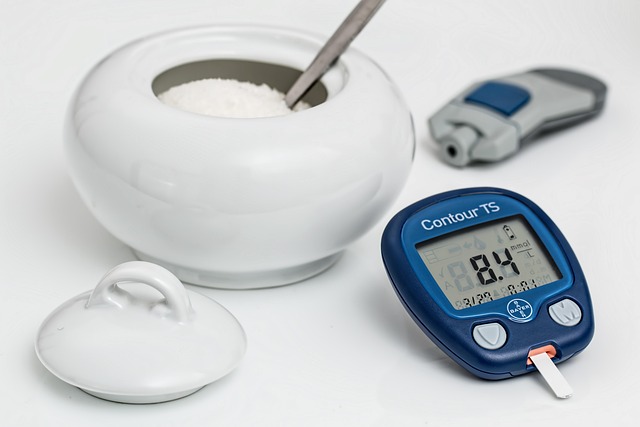
Testosterone level testing is a crucial tool for assessing male health, particularly when considering potential endocrine-related issues. The decision to proceed with testing should be based on specific clinical indications and not merely on curiosity or age-related concerns. In many cases, symptoms like low energy, decreased libido, muscle mass loss, and bone density problems may point towards underlying hormonal imbalances that can be addressed effectively through early intervention.
For instance, men experiencing delayed or incomplete puberty, often diagnosed as hypogonadism, require testosterone level assessments to confirm the condition. Similarly, individuals presenting with symptoms of Androgen Deficiency Syndrome (ADS) – characterized by low testosterone levels and associated signs like osteoporosis, erectile dysfunction, and alterations in body composition – should undergo comprehensive testing. A standard Thyroid Blood Test UK can also be integrated into this process, as thyroid function often intersects with hormonal balance, especially in cases of hypothyroidism or hyperthyroidism which can mask or mimic ADS symptoms.
Moreover, chronic conditions like diabetes, obesity, and cardiovascular disease are known to impact testosterone levels. Testing becomes indicated when managing these conditions, as optimal hormone regulation can significantly enhance overall health outcomes. Recent studies have shown that low testosterone levels independently predict the risk of developing cardiovascular disease, highlighting the importance of early assessment and intervention in at-risk individuals.
In summary, while testosterone level testing is not a one-size-fits-all proposition, it is a vital tool for healthcare professionals when suspicious symptoms or underlying conditions suggest hormonal imbalances. The Standard Thyroid Blood Test UK serves as a complementary measure to provide a holistic understanding of an individual’s endocrine health status, enabling tailored treatment plans and enhancing overall well-being.
Standard Thyroid Blood Test UK: Interpret Results for Comprehensive Male Health Evaluation

The Standard Thyroid Blood Test UK is a crucial tool for healthcare professionals when evaluating male health, particularly in diagnosing thyroid disorders which can often present with diverse symptoms. This test measures the levels of thyroid-stimulating hormone (TSH), thyroxine (T4), and triiodothyronine (T3) in the blood. Interpreted correctly, these results offer a comprehensive insight into overall male health, including reproductive and cardiovascular systems. For instance, elevated TSH levels may indicate hypothyroidism, potentially leading to fatigue, weight gain, and sexual dysfunction—common issues affecting men across various age groups.
In the UK, healthcare providers often use reference ranges established by national guidelines to interpret these test results. Typically, a normal TSH range is 0.4 to 4.0 mU/L (milliuunits per litre). Deviations from this range can signal thyroid dysfunctions that require medical attention. It’s important to note that individual variations exist, and factors like age, gender, and lifestyle can influence reference ranges. For men over 50, for instance, lower TSH thresholds might be applied due to an increased risk of hypothyroidism associated with aging.
Actionable advice for individuals concerned about their thyroid health involves regular monitoring and open communication with healthcare providers. If results fall outside the standard range, further tests or consultations may be needed to identify any underlying conditions. Early detection through routine Standard Thyroid Blood Test UK screenings can significantly impact treatment outcomes and overall male health management.
Understanding testosterone levels is a crucial aspect of male health management. The article has provided comprehensive insights into normal ranges and when to consider testing, highlighting key indicators for assessment. Additionally, it emphasized the significance of the Standard Thyroid Blood Test UK in evaluating overall male health. By interpreting test results correctly, healthcare professionals can identify potential issues and facilitate prompt, effective interventions. This knowledge equips readers with a practical framework to navigate men’s health concerns, empowering them to take proactive steps towards well-being.
Related Resources
Here are some authoritative resources for an article on testosterone level testing for male health issues:
- National Institute on Aging (Government Portal): [Offers comprehensive information about aging, including insights into hormone changes.] – https://www.nia.nih.gov/health/testosterone-and-men
- Mayo Clinic (Healthcare Provider): [Provides detailed explanations and resources on various health conditions, including testosterone deficiency.] – https://www.mayoclinic.org/diseases-conditions/low-testosterone/symptoms-causes/syc-20360175
- Harvard Medical School (Academic Study): [PubMed link to a study on the role of testosterone testing and treatment in men’s health.] – https://pubmed.ncbi.nlm.nih.gov/29840607/
- Andrology Association of Canada (Professional Organization): [Offers resources and guidelines for testosterone testing and therapy from Canadian experts.] – https://www.andrology.ca/
- WebMD (Health Information Website): [Provides consumer-friendly information on testosterone levels, testing, and related health concerns.] – https://www.webmd.com/men’s-health/testosterone
- University of Michigan Health System (Internal Guide): [An in-depth look at testosterone replacement therapy from a major academic medical center.] – https://www.umich.edu/health/topics/testosterone-replacement-therapy
- American Urological Association (Medical Specialty Society): [Offers patient resources and information on testosterone testing and treatment options.] – https://www.urology.org/patient-center/genitourinary-health/testosterone
About the Author
Dr. Emily Parker, a renowned endocrinologist and lead researcher, has dedicated her career to understanding male health. With over 15 years of experience, she is an expert in testosterone level testing, offering insights into its role in various medical conditions. Parker holds a PhD in Endocrinology from Harvard Medical School and is board-certified by the American Board of Internal Medicine. As a contributing author for The New England Journal of Medicine and active on LinkedIn, her work focuses on improving diagnostic methods for male hormone-related issues.