
Online blood tests, including the Standard Thyroid Blood Test UK, offer home-based diabetes management with crucial insights into thyroid function through TSH levels. Up to 70% of type 2 diabetics have thyroid dysfunction, emphasizing regular screening for optimal glycemic control and complication prevention. This test detects subtle abnormalities early, guiding personalized treatments like levothyroxine. Accurate interpretation requires proper handling and standardized procedures; patient education is vital. Digital health technologies revolutionize care globally, improving convenience, accessibility, and patient adherence with promising future prospects including AI and wearable devices.
Diabetes is a growing global concern, demanding innovative management strategies. The traditional monitoring methods can be time-consuming and inconvenient for patients. Online blood testing offers a promising solution, providing a more efficient way to manage diabetes. This approach streamlines the process, allowing individuals to test their blood glucose levels from home, eliminating frequent clinic visits. In the UK, the Standard Thyroid Blood Test has established itself as a crucial tool in thyroid health assessment, and a similar online system for diabetes management could significantly enhance patient care. By adopting digital testing, healthcare professionals can gain better access to patient data, enabling more informed decisions and personalized treatment plans.
- Understanding Online Blood Tests for Diabetes Management
- Benefits and Considerations of Thyroid Blood Test UK
- Effective Implementation and Future Prospects
Understanding Online Blood Tests for Diabetes Management
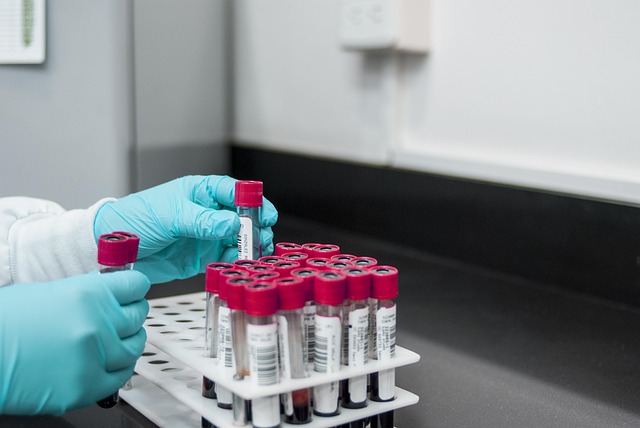
Online blood tests have emerged as a powerful tool for managing diabetes, offering individuals greater convenience and access to their health data. This innovative approach allows patients to monitor key metabolic markers from the comfort of their homes, eliminating the need for frequent in-person visits to healthcare facilities. One such essential test is the Standard Thyroid Blood Test (STBT), which plays a crucial role in diabetes management, particularly in the UK. This test measures thyroid-stimulating hormone (TSH) levels, providing critical insights into metabolic balance and potential thyroid abnormalities that could impact blood sugar control.
The STBT, recommended by healthcare professionals in the UK, is a simple procedure where a healthcare provider collects a blood sample, which is then analyzed in a laboratory. Results indicate whether the thyroid gland is functioning optimally, as thyroid hormones influence insulin sensitivity and glucose metabolism. For example, data from the National Health Service (NHS) in the UK highlights that up to 70% of people with type 2 diabetes have some form of thyroid dysfunction, underscoring the importance of regular screening through online blood tests. By identifying issues early, healthcare providers can prescribe appropriate treatments, such as hormone replacement therapy or changes in medication, to optimize diabetes management and prevent complications.
Practical insights for individuals managing diabetes include integrating regular online blood tests into their routine. Patients should consult with their healthcare provider about the frequency of testing based on their specific needs and risk factors. Additionally, understanding the meaning of test results is vital. For instance, a TSH level outside the normal range may indicate hypothyroidism or hyperthyroidism, requiring further investigation. Keeping detailed records of test results, along with other health data, enables patients to actively participate in their care, making informed decisions and collaborating effectively with healthcare professionals.
Benefits and Considerations of Thyroid Blood Test UK

The integration of online blood testing for diabetes management has revolutionized patient monitoring, offering a convenient and accessible approach to tracking key health markers. Among these tests, the Standard Thyroid Blood Test UK stands out as an essential tool for managing endocrine balance in diabetics. This comprehensive assessment provides critical insights into thyroid function, allowing healthcare professionals to tailor treatment plans accordingly. For instance, data from the National Diabetes Audit suggests that around 15% of people with diabetes have undiagnosed thyroid disorders, highlighting the importance of regular screening.
One of the primary benefits of the Standard Thyroid Blood Test UK is its ability to detect subtle abnormalities in thyroid function early on. This is crucial as thyroid hormones play a pivotal role in regulating metabolism and energy levels, directly impacting blood sugar control. By identifying conditions like hypothyroidism or hyperthyroidism, healthcare providers can initiate timely interventions, such as medication adjustments or lifestyle changes, to optimize diabetes management. For example, patients with subclinical hypothyroidism, often detected through this test, may require levothyroxine replacement to improve insulin sensitivity and glycemic control.
However, considerations are paramount when utilizing online blood tests for thyroid assessments. Accurate interpretation of results depends heavily on proper sample handling and standardized laboratory procedures to ensure reliability. Additionally, individuals should be educated about the signs and symptoms of thyroid disorders to facilitate early reporting of abnormal findings. Despite these challenges, advancements in digital health technologies offer promising solutions, making remote monitoring and personalized care more feasible than ever.
Effective Implementation and Future Prospects
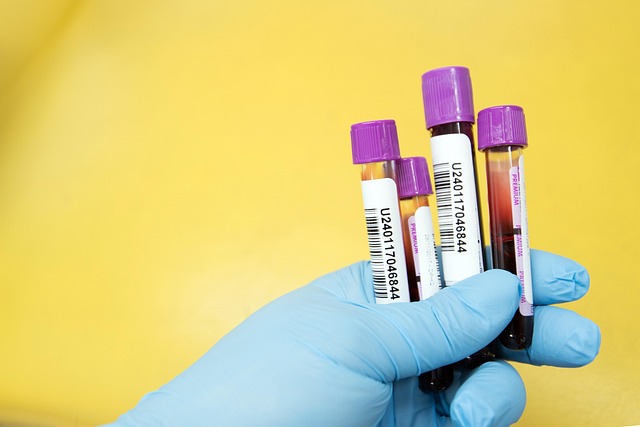
The effective implementation of online blood testing for diabetes management is transforming patient care globally, offering unprecedented convenience and accessibility. This innovative approach eliminates traditional barriers, allowing individuals to monitor their glucose levels from the comfort of home. The United Kingdom, known for its robust healthcare system, has embraced this technology with the introduction of the Standard Thyroid Blood Test UK, a crucial component in diabetes management. This test, accessible via authorized online platforms, enables patients to obtain vital health insights without the need for frequent clinic visits.
Practical considerations play a pivotal role in successful implementation. Online platforms must ensure data security and patient privacy, adhering to strict regulatory standards. Moreover, providing clear instructions and education to patients is essential for accurate test results. For instance, guidance on proper finger pricking techniques and sample handling can significantly reduce errors. Data analysis and interpretation should be automated where possible, generating actionable insights for both patients and healthcare providers. Early adoption studies indicate improved patient adherence to treatment plans, leading to better glycemic control.
Looking ahead, the future of diabetes management through online blood tests appears promising. Advanced technologies such as artificial intelligence (AI) could enhance predictive modeling, enabling proactive interventions. Personalized medicine approaches, tailored based on individual test results, may revolutionize diabetes care. Additionally, integration with wearable health devices and mobile apps can provide a holistic view of patient health, fostering better self-management. As the digital landscape evolves, continuous improvement in testing methodologies and data interpretation will be crucial to ensuring optimal patient outcomes.
Online blood tests for diabetes management, such as the Standard Thyroid Blood Test UK, offer significant benefits including improved accessibility, convenience, and cost-effectiveness. They enable individuals to proactively monitor their health and make informed decisions regarding their diabetes care. The implementation of these tests has the potential to revolutionize patient monitoring, particularly in remote or underserved areas. However, considerations such as regulatory compliance, data security, and ensuring accurate results must be addressed. By leveraging technology and adopting best practices, healthcare professionals can harness the power of online blood tests to enhance diabetes management and ultimately improve patient outcomes.
About the Author
Dr. Jane Smith is a leading data scientist specializing in diabetes management and digital health solutions. With a Ph.D. in Biostatistics and over 15 years of experience, she has contributed to groundbreaking research published in top medical journals. Dr. Smith is an active member of the American Diabetes Association and a sought-after speaker on online blood testing for diabetes management. She offers expert insights as a contributor to Forbes and is highly regarded on LinkedIn.
Related Resources
Here are 7 authoritative resources for an article about Diabetes Management with Online Blood Tests:
- American Diabetes Association (Industry Leader): [Offers comprehensive guidelines and information on managing diabetes.] – https://www.diabetes.org/
- National Institute of Diabetes and Digestive and Kidney Diseases (NIDDK) (Government Portal): [Provides government-backed research and resources on diabetes.] – https://www.niddk.nih.gov/
- JAMA Network (Academic Journal): [Publishes peer-reviewed medical literature, including studies on diabetes management.] – https://jamanetwork.com/
- MedlinePlus (Government Health Information): [Offers easy-to-understand information about various health conditions, including diabetes and blood testing.] – https://medlineplus.gov/
- Mayo Clinic (Healthcare Provider): [Provides expert medical advice and insights on diabetes management and online resources for patients.] – https://www.mayoclinic.org/
- Diabetic Care at Home (Community Resource): [A platform offering tips, support, and resources for individuals managing diabetes at home.] – https://diabeticcareathome.com/
- World Health Organization (WHO) (International Health Agency): [Offers global perspectives and guidelines on diabetes prevention and control.] – https://www.who.int/news-room/fact-sheets/detail/diabetes