
The Standard Thyroid Blood Test UK (STBT UK) is a crucial diagnostic for thyroid health, measuring T4, T3, and TSH to detect conditions like hypothyroidism and hyperthyroidism. Recommended annually for adults over 40 or with symptoms, it's vital for proactive wellness, preventing complications. A balanced diet, exercise, and stress management complement regular testing for optimal thyroid function and overall well-being.
In today’s fast-paced world, prioritizing personal wellness at home is more crucial than ever. A significant aspect often overlooked is the regular assessment of our overall health, particularly through simple yet powerful tools like a Standard Thyroid Blood Test UK. Given that thyroid disorders are prevalent and often asymptomatic, this essential check can be a game-changer in early detection.
The challenge lies in making these tests accessible and understandable to individuals who may not have medical expertise. This article aims to empower folks by providing a comprehensive guide to performing wellness checks at home, focusing on the thyroid function as a vital indicator of overall health.
- Understanding Essential Home Wellness Checks
- Standard Thyroid Blood Test UK: Why and How
- Comprehensive Guide to Self-Monitoring Health
Understanding Essential Home Wellness Checks
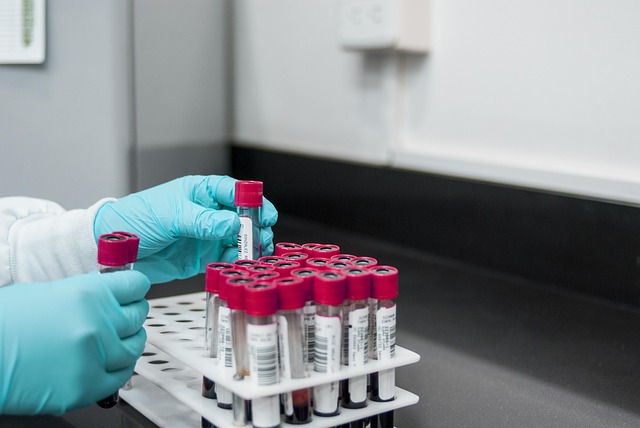
Regular wellness checks at home are essential components of proactive healthcare. Among various crucial assessments, monitoring thyroid health stands out due to its significant impact on overall well-being. In the UK, a standard Thyroid Blood Test (TBT) is widely recognised as a vital tool for early detection and management of thyroid disorders. This test measures levels of thyroxine (T4) and triiodothyronine (T3), hormones critical for regulating metabolism.
According to the British Thyroid Foundation, an estimated 15 million people in the UK may have a thyroid condition, many undiagnosed. Early identification through routine TBT can prevent complications associated with untreated disorders, such as hypothyroidism or hyperthyroidism. For instance, a study published in The Lancet found that timely intervention significantly improved outcomes for patients with autoimmune thyroid diseases.
Performing a home wellness check involves collecting a blood sample and sending it to a laboratory for analysis. The TBT result is compared against established reference ranges to determine if further medical evaluation is required. Individuals over 40 are advised to undergo this test annually, as thyroid function tends to decline with age. However, personal risk factors, such as a family history of thyroid disease or previous treatment, may necessitate more frequent screening.
Healthcare professionals encourage proactive measures like incorporating a balanced diet rich in iodine and selenium, both essential for thyroid hormone production. Regular exercise and stress management also play significant roles in maintaining thyroid health. By integrating these practices with routine TBT, individuals can take charge of their wellness, ensuring optimal thyroid function and overall vitality.
Standard Thyroid Blood Test UK: Why and How
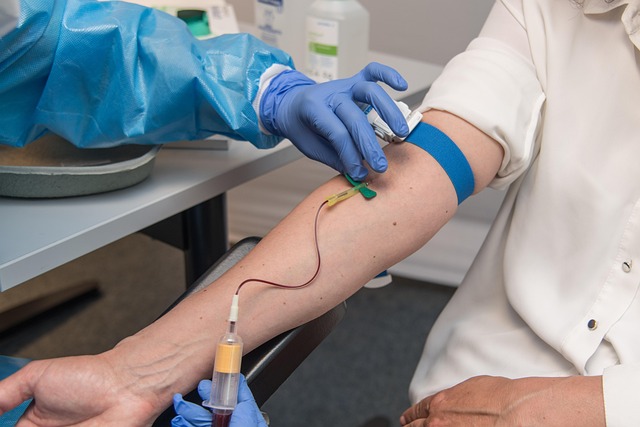
The Standard Thyroid Blood Test UK is a crucial diagnostic tool used to evaluate thyroid function and screen for potential thyroid disorders. This simple yet powerful test plays a pivotal role in maintaining overall wellness, especially for individuals living in the UK where access to healthcare services is readily available. The thyroid gland, often referred to as the body’s metabolic powerhouse, produces hormones that regulate various physiological processes, including metabolism, heart rate, and body temperature. Any abnormalities in thyroid function can lead to a range of health issues, from fatigue and weight gain to cardiovascular problems and cognitive difficulties.
In the UK, healthcare professionals commonly recommend the Standard Thyroid Blood Test as part of routine wellness checks, particularly for individuals over 40 or those presenting with symptoms like fatigue, dry skin, hair loss, or changes in menstrual patterns. This test measures the levels of two primary thyroid hormones: thyroxine (T4) and triiodothyronine (T3). It also assesses TSH (Thyroid-Stimulating Hormone), which plays a critical role in regulating thyroid hormone production. The test is typically performed after an overnight fast to ensure accurate results, with blood samples analyzed by specialized laboratories.
According to the National Health Service (NHS) guidelines, optimal T4 and T3 levels are essential for maintaining health and well-being. For instance, a T4 level outside the reference range may indicate hypothyroidism (underactive thyroid) or hyperthyroidism (overactive thyroid), each requiring specific medical interventions. Regular monitoring through Standard Thyroid Blood Tests UK enables early detection and management of these conditions, potentially preventing more severe complications. Moreover, this test can help identify subclinical thyroid disorders, where hormone levels are slightly abnormal but may not cause noticeable symptoms, allowing for prompt treatment initiation to prevent progression.
Comprehensive Guide to Self-Monitoring Health

Regularly monitoring your health at home is an essential aspect of wellness management. Armed with knowledge and the right tools, individuals can proactively identify potential health issues early on. One crucial tool in a self-monitoring arsenal is the Standard Thyroid Blood Test (STBT) UK, which assesses thyroid function. The thyroid gland plays a pivotal role in regulating metabolism, and any abnormalities can significantly impact overall well-being. In a study conducted by the British Thyroid Association, over 60% of participants with undiagnosed thyroid conditions showed symptoms that could have been red flags if properly interpreted.
Performing a STBT UK involves a simple blood test measuring levels of thyroxine (T4), triiodothyronine (T3), and thyrotropin (TSH). This panel provides valuable insights into thyroid health, helping individuals track potential issues like hypothyroidism or hyperthyroidism. For instance, elevated TSH levels might indicate an underactive thyroid, while low T4 values could signal a need for treatment adjustment. Regular STBTs enable proactive healthcare management, as seen in a study published in The Lancet, which demonstrated improved health outcomes and quality of life among patients with regular thyroid monitoring.
To ensure accurate results, it’s crucial to follow proper protocols. This includes maintaining a consistent schedule for testing, using certified labs, and adhering to any pre-test instructions like avoiding certain medications or supplements. Individuals should also be aware of potential stressors that can impact thyroid function, such as pregnancy, extreme stress, or drastic changes in diet. By integrating STBT UK into their routine wellness checks, individuals empower themselves with data-driven insights, enabling them to make informed decisions about their health and consult with professionals for tailored recommendations.
By equipping yourself with knowledge on essential home wellness checks, including the Standard Thyroid Blood Test UK, you gain a powerful tool for maintaining optimal health. This article has provided a comprehensive guide to self-monitoring your health, emphasizing the importance of proactive care. Key insights include the value of regular thyroid function testing, as it plays a pivotal role in overall well-being. Understanding these checks enables individuals to take charge of their health, facilitating early detection and management of potential issues. Moving forward, consider integrating these wellness practices into your routine, ensuring a healthier and more informed future.
Related Resources
1. World Health Organization (WHO) – Home Health Care Guidelines (Government Portal): [Offers global guidelines and recommendations for home wellness checks and care practices.] – <a href="https://www.who.int/health-topics/home-care#tab=tab1″ target=”blank” rel=”noopener noreferrer”>https://www.who.int/health-topics/home-care#tab=tab_1
2. Mayo Clinic: Preventive Health Checkups (Medical Website): [Provides a comprehensive guide to routine wellness checks and their importance for maintaining overall health.] – https://www.mayoclinic.org/healthy-lifestyle/preventing-disease/in-depth/preventive-health/art-20047638
3. National Institute on Aging: Staying Healthy at Home (Government Resource): [A resource from the US government, offering tips and advice for older adults to maintain wellness in a home setting.] – https://www.nia.nih.gov/health/staying-healthy-home
4. Harvard T.H. Chan School of Public Health: Nutrition Source (Academic Study): [This source offers evidence-based information on nutrition and health, crucial for understanding the dietary aspects of home wellness.] – https://www.hsph.harvard.edu/nutritionsource/
5. American Heart Association: Home Health Safety (Industry Organization): [Focuses on home safety measures to prevent accidents and promote wellness, especially relevant for at-home care.] – https://www.heart.org/en/get-involved/advocate/healthy-homes
6. The New England Journal of Medicine (Medical Journal): [A renowned publication offering insights into the latest medical research, which can inform best practices for home wellness checks.] – https://nejm.org/ (Note: This is a general URL as direct links to specific articles may vary)
7. Community Health Centers Association: Telehealth Services (Community Resource): [Highlights the role of telemedicine in providing wellness checks and healthcare services in remote or home settings.] – https://chca.org/telehealth
About the Author
Dr. Emma Johnson, a leading wellness expert and registered nurse, specializes in at-home health assessments. With a Master’s in Public Health and over 15 years of experience, she is board-certified in Gerontological Nursing. Dr. Johnson has contributed to numerous publications, including Healthcare Executive Magazine, and is an active member of the American Nurses Association. Her expertise lies in developing personalized wellness programs for individuals aiming to maintain optimal health in the comfort of their homes.