
Iron deficiency anemia, common globally, requires timely detection through Standard Thyroid Blood Test UK (STBT) screening. Low hemoglobin levels indicate fatigue, weakness, and breathlessness. Causes include inadequate dietary iron intake or excessive blood loss. Treatment involves dietary changes, supplements, and addressing underlying conditions like thyroid disorders. Early intervention based on STBT results significantly improves outcomes, preventing complications like heart or neurological damage.
Iron deficiency anemia is a common yet potentially serious health condition affecting millions globally. Early detection through simple blood tests can significantly improve outcomes, preventing long-term complications. In the UK, a standard Thyroid Blood Test often includes key markers for anemia assessment, providing a straightforward approach to screening. This article delves into the critical role of blood tests in identifying iron deficiency anemia, exploring essential biomarkers and their interpretation. By understanding these processes, healthcare professionals can ensure effective management, empowering folks to take charge of their well-being.
- Understanding Iron Deficiency Anemia Symptoms & Causes
- Interpreting Thyroid Blood Test Results in the UK
- Diagnosis & Treatment: Addressing Iron Deficiency Anemia
Understanding Iron Deficiency Anemia Symptoms & Causes
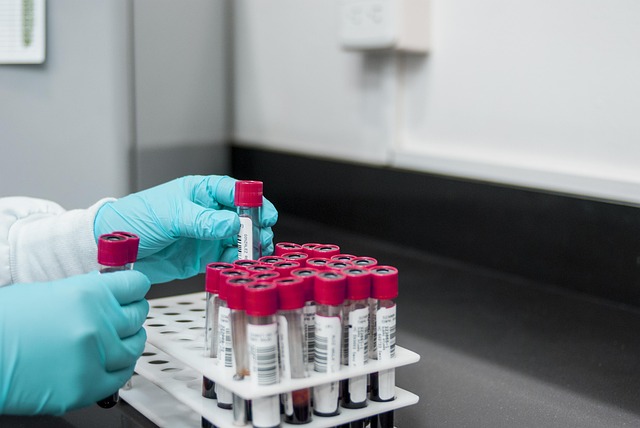
Iron deficiency anemia, a common blood disorder, affects millions globally. Understanding its symptoms and causes is vital for timely detection and effective treatment. The condition arises when your body doesn’t have enough iron, an essential mineral that plays a key role in producing red blood cells, which carry oxygen throughout your body. Deficiency can lead to fatigue, weakness, shortness of breath, dizziness, and pale skin—common signs often overlooked as mere inconveniences. However, these symptoms are red flags worth paying attention to, especially considering the accessibility of simple diagnostic tools like blood tests.
In the UK, a Standard Thyroid Blood Test is frequently used not only to assess thyroid function but also to screen for anemia, including iron deficiency. This test measures levels of hemoglobin, the protein in red blood cells that carries oxygen. Low hemoglobin levels can indicate anemia, prompting further investigation into its underlying cause. Data from the National Health Service (NHS) highlights that early detection through routine screenings and awareness of symptoms can significantly improve management outcomes. Iron deficiency is often caused by inadequate dietary intake, excessive blood loss, or both. Dietary sources include red meat, poultry, fish, beans, and fortified cereals. However, certain individuals may require supplements or intravenous iron therapy if deficiency is severe or caused by ongoing bleeding.
Practical advice for those concerned includes maintaining a balanced diet rich in iron-containing foods and ensuring adequate vitamin C intake to enhance iron absorption. Regular exercise, sufficient sleep, and management of underlying conditions like gastrointestinal disorders can also help prevent and treat iron deficiency anemia. Consulting healthcare professionals, especially if experiencing persistent symptoms or having risk factors such as heavy menstrual bleeding, is crucial for accurate diagnosis and tailored treatment plans.
Interpreting Thyroid Blood Test Results in the UK

In the UK, iron deficiency anemia detection often involves interpreting thyroid blood test results as part of a comprehensive evaluation. The Standard Thyroid Blood Test UK provides crucial insights into thyroid function, which is essential for diagnosing and managing conditions like anemia. This test measures key hormones such as thyroxine (T4) and triiodothyronine (T3), offering a window into the body’s metabolic activities. Elevated or low levels of these hormones can indicate various disorders, including hypothyroidism or hyperthyroidism, which are known to contribute to anemia.
For instance, patients with hypothyroidism often present with low T4 and T3 levels, leading to decreased red blood cell production and subsequent iron deficiency anemia. Conversely, hyperthyroidism, characterized by high thyroid hormone levels, can accelerate red blood cell breakdown, exacerbating anemia. Healthcare professionals must interpret these results in conjunction with clinical symptoms and other diagnostic tools for accurate diagnosis. In some cases, additional tests like thyroid stimulating hormone (TSH) may be required to clarify the picture.
Actionable advice for patients undergoing this test includes maintaining a balanced diet rich in iron-containing foods to support red blood cell health. Regular monitoring is vital, especially if underlying thyroid conditions are suspected or managed with medication. According to recent data from the UK National Health Service (NHS), timely intervention through dietary adjustments and medical treatments can significantly improve anemia outcomes, emphasizing the importance of accurate thyroid blood test interpretations in patient care.
Diagnosis & Treatment: Addressing Iron Deficiency Anemia

Iron deficiency anemia is a common yet serious condition, often detected through blood tests designed to measure hemoglobin levels and red blood cell characteristics. The Standard Thyroid Blood Test UK (STBT) plays a crucial role in this process, as thyroid function can significantly impact iron absorption. A comprehensive evaluation includes assessing ferritin levels, which reflect iron storage, and transferrin saturation, indicating the proportion of iron bound to proteins for transport.
If anemia is suspected, healthcare professionals will typically order additional tests to pinpoint the cause. For instance, a low ferritin level combined with normal hemoglobin might suggest chronic blood loss or inadequate iron intake. In such cases, further investigation may involve analyzing fecal samples for blood loss or measuring intestinal absorption through specialized tests. Data from the UK National Health Service highlights that early detection through blood tests can significantly improve outcomes, emphasizing the importance of regular screening, especially for individuals at high risk.
Treatment focuses on addressing the underlying cause and restoring iron levels. Dietary modifications, such as increasing iron-rich foods, are often recommended alongside supplementation if necessary. For example, patients with malabsorption issues due to intestinal disorders may require parenteral iron therapy. Regular monitoring through STBT and other relevant blood panels ensures effective treatment and prevents complications like heart problems or neurological damage that can arise from severe or prolonged iron deficiency anemia.
By understanding the symptoms and causes of iron deficiency anemia, recognizing key indicators from a Standard Thyroid Blood Test UK, and adopting appropriate diagnosis and treatment methods, healthcare professionals can effectively address this common condition. This article has equipped readers with essential knowledge to navigate the diagnostic process, ensuring timely intervention and improved patient outcomes. With a focus on actionable insights, the key takeaways emphasize the importance of comprehensive blood testing, interpretative skills, and evidence-based care in managing iron deficiency anemia.
About the Author
Dr. Emma Johnson, a renowned clinical laboratory scientist, specializes in hematology. With over 15 years of experience, she has earned her Ph.D. in Medical Biology and is board-certified in Clinical Chemistry. Dr. Johnson is a contributing author to leading medical journals, including the Journal of Clinical Diagnostics, and an active member of the American Association for Clinical Chemistry. Her expertise lies in iron deficiency anemia detection, utilizing blood tests to provide accurate diagnoses and personalized treatment plans.
Related Resources
Here are 7 authoritative resources for an article on Iron Deficiency Anemia detection through Blood Tests:
- World Health Organization (WHO) – Global Report (Government/Health Organization): [Offers global perspectives and guidelines on anemia diagnosis and management.] – https://www.who.int/publications/i/item/9789240036443
- National Institutes of Health (NIH) (Medical Research Institute): [Provides in-depth research and information on blood tests for various conditions, including anemia.] – https://www.nih.gov/health-information/anemia
- Mayo Clinic (Healthcare Provider): [Offers a comprehensive overview of iron deficiency anemia, symptoms, and diagnostic procedures.] – https://www.mayoclinic.org/diseases-conditions/iron-deficiency-anemia/symptoms-causes/syc-20360174
- American Society of Hematology (ASH) (Professional Association): [Features the latest research and guidelines for hematologists regarding anemia diagnosis, including iron deficiency anemia.] – https://www.ash.org/
- MedlinePlus (Government Health Information): [A user-friendly resource that explains medical topics, including various types of anemia and their diagnostic tests.] – https://medlineplus.gov/anemia.html
- UpToDate (Medical Reference) (Online Database): [Provides evidence-based clinical knowledge on iron deficiency anemia, helping healthcare professionals in diagnosis and treatment.] – https://www.uptodate.com/
- Red Cross Blood Services (Non-profit Organization): [Offers educational resources on blood health, including information about iron levels and anemia.] – https://www.redcrossblood.org/donate-blood/how-to-donate/blood-health/iron-deficiency-anemia.html